Revamp Your Home: Tips for Finding the Right Kitchen Renovation Contractor
Finding the ideal kitchen remodeling contractor is essential for a effective home upgrade. A good contractor not only understands the vision but also brings the required skills and experience to the project. Many factors factor in when selecting a contractor, from verifying credentials to evaluating past work. Understanding these elements can significantly impact the outcome. What should homeowners focus on in their search, and how can they ensure a smooth collaboration?
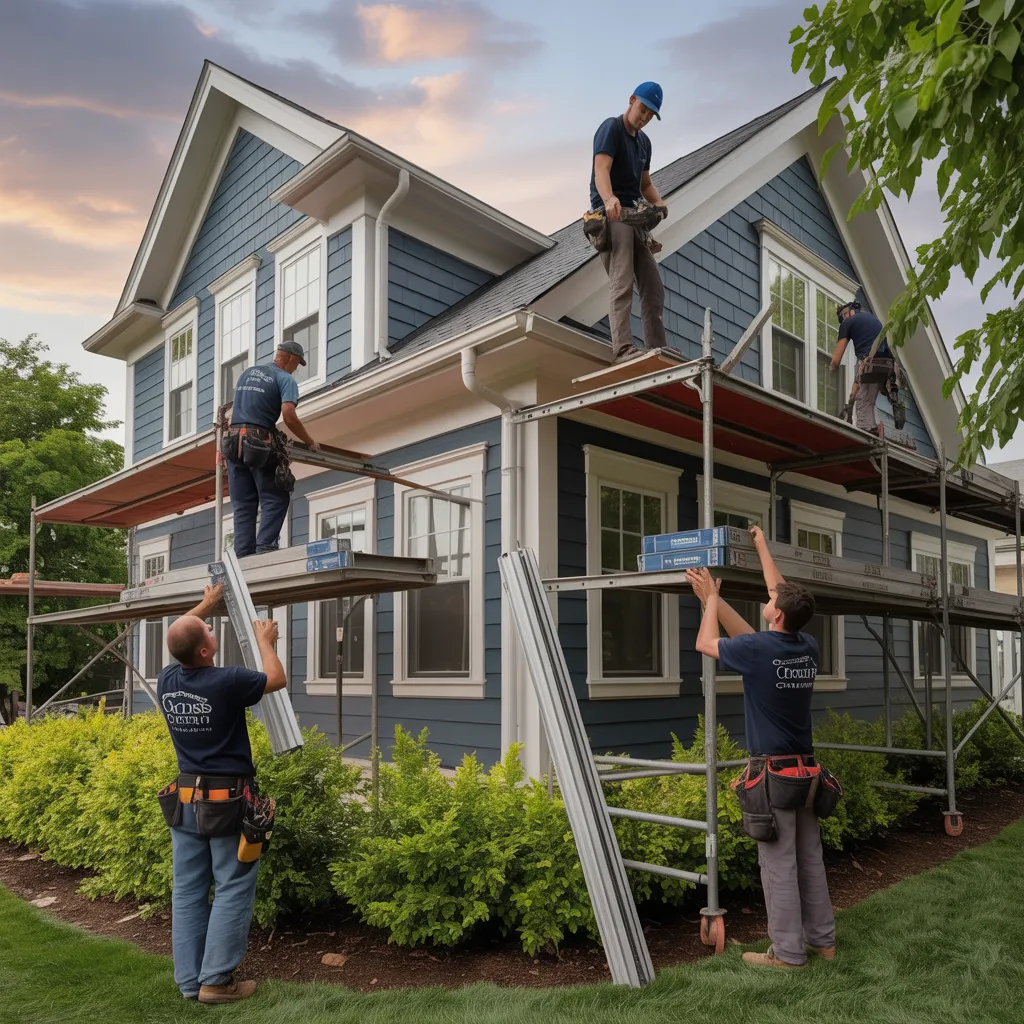
Vital Qualities of a Reliable Remodeling Contractor
An seasoned remodeling contractor acts as the cornerstone of any well-planned kitchen renovation. Their knowledge not only guides the project but also assures that it meets the homeowner's vision. Important traits to consider clear communication abilities, which allow them to express ideas and updates accurately. Attention to detail matters, as it influences both visual aspects and practicality. A reliable contractor also shows excellent project coordination skills, managing timelines, budgets, and subcontractors efficiently. Reliability matters; they should consistently meet deadlines and keep commitments. Moreover, a solid understanding of current design trends and materials helps them deliver valuable insights. Finally, a trustworthy comprehensive guide contractor forms strong client relationships, promoting trust and collaboration throughout the renovation. These traits collectively result in a smooth and successful kitchen remodeling experience.
Verifying Qualifications and Experience of Potential Contractors
Assessing the credentials and experience of potential contractors is fundamental to ensure a well-executed kitchen remodeling project. It is important for homeowners to first check that the contractor holds suitable licenses, indicating adherence to local regulations and industry standards. Insurance coverage is also important, safeguarding both parties from potential accidents or damage during the remodeling.
Background in like assignments is another vital aspect. Contractors should offer a portfolio presenting previous projects, ideally in kitchen remodels, to show their capabilities. Client testimonials and reviews can also give insights into the contractor's trustworthiness and workmanship.
Furthermore, professional affiliations with entities such as the National Kitchen and Bath Association can signify a resolve to excellence standards and ongoing education in the field. By thoroughly vetting credentials and experience, homeowners can take informed action, curtailing potential problems and enhancing the prospect of a successful kitchen transformation.
Discovering Credible Home Improvement Professionals
Securing reputable renovation experts is indispensable for a accomplished kitchen renovation. It is imperative to verify their credentials and licenses to assure they fulfill sector benchmarks. Additionally, obtaining referrals can provide perspectives into a vendor's credibility and earlier project caliber.
Examine Qualifications And Certifications
Before employing a remodeling professional, homeowners should ensure that the professional maintains the necessary credentials and licenses. This step is essential in making sure that the professional is competent and compliant with local regulations. Begin by looking into state-issued licenses, which may show a contractor's level of skill and trustworthiness. Additionally, qualifications from industry organizations can also validate a contractor's abilities and commitment to quality. Homeowners should also ask about insurance coverage, including liability and workers' compensation, to protect against possible liabilities. Homeowners who take time to confirm these qualifications can make smarter decisions, thus minimizing the chance of hiring unqualified contractors for their kitchen remodeling projects.
Ask For Suggestions
rosters of vetted contractors. Inquiring about contractors' previous work can additionally help property owners in making informed choices.
Key Questions to Ask Your Home Renovation Contractor?
What essential inquiries should property owners consider when hiring a renovation contractor? First, they should ask about the contractor's experience with kitchen remodels, including the number of comparable projects completed. Homeowners should also inquire about credentials and coverage to guarantee adherence with local regulations and safeguarding against liabilities. Understanding the contractor's schedule for finishing the work is crucial, as is asking about the expected payment schedule.
Additionally, homeowners should solicit endorsements from former customers to gauge satisfaction and trustworthiness. It's vital to address the contractor's strategy to handling unexpected challenges that may arise during the project. Homeowners should also establish what supplies will be used and whether they are included in the initial estimate. Finally, discussing interaction methods throughout the project can enhance a more efficient renovation journey. These questions help forge trust and guarantee that objectives are matched from the beginning.
Evaluating Contractor Estimates
Homeowners should be cautious of estimates that appear markedly lower than others; these might reveal concealed expenses or inferior quality. Alternatively, a higher estimate does not always promise superior quality. It is crucial to evaluate the overall value rather than just the cost. Asking contractors to clarify any ambiguous points can further assist in an knowledgeable choice. Ultimately, this thorough evaluation assures that homeowners hire a contractor who matches their financial constraints and project goals.
Strategies for Establishing a Robust Working Relationship With Your Contractor
Forging a strong working connection with a contractor is critical for a prosperous kitchen renovation. Open communication systems, sensible expectations, and reciprocal respect and trust form the foundation of this partnership. Establishing these elements at the start can lead to a smoother renovation process and better outcomes.
Build strong communication mechanisms
Establishing robust communication systems is necessary for a effective kitchen remodeling project. Strong communication builds trust and teamwork between homeowners and contractors. It is critical for both parties to determine preferred communication methods, whether through emails, phone calls, or text messages. Consistent updates and follow-ups can help handle issues quickly and maintain project momentum. Homeowners should create a list of questions and expectations to discuss with their contractors, confirming that all parties stay aligned. Additionally, setting a joint schedule for project milestones can enhance accountability. By emphasizing open communication, homeowners and contractors can work through challenges more productively, ultimately resulting in a improved renovation process and a successful outcome.
Agree on Attainable Targets in Unison
It is essential to set practical expectations to develop a solid working relationship between homeowners and contractors. Direct communications about project timelines, budgets, and design goals can reduce misunderstandings. Homeowners should share their intentions, while staying open to professional advice, enabling contractors to give insights drawn from experience. Creating a detailed project scope is critical, as it sets responsibilities and deliverables, supporting accountability. Regular check-ins during the remodeling process also make certain that both parties remain in sync. Setting realistic milestones and being pragmatic about potential challenges allows homeowners and contractors to work together effectively, reducing stress and increasing overall satisfaction with the project. This forward-thinking approach creates the foundation for a positive and harmonious remodeling experience.
Cultivate Mutual Reliance And Respect
Confidence and esteem function as the foundations of a effective partnership between homeowners and contractors. Establishing transparent exchange is crucial; homeowners should express their vision while contractors must provide straightforward assessments and timelines. Frequent updates help in maintaining honesty, which further reinforces trust. Respecting each other's expertise is important, as homeowners should recognize the contractor's skills, while the contractor must value the homeowner's inclinations. Handling concerns promptly and professionally fosters a constructive professional environment. Additionally, establishing boundaries, such as work hours and communication methods, can prevent miscommunication. By fostering an environment of mutual trust and respect, both parties can collaborate effectively, ensuring a smoother remodeling process and a favorable outcome.
Commonly Raised Questions
How Do I Address Disputes With My Remodeling Contractor?
To deal with disagreements with a remodeling contractor, one should speak openly, document all interactions, and pursue an answer through negotiation. If needed, involving a mediator or attorney guidance may also be useful for settling significant issues.
What Is the Common Timeline for a Kitchen Remodel?
A conventional kitchen renovation timeline ranges from six to twelve weeks, determined by the project scope. Elements such as complexity of the design, availability of materials, and contractor efficiency can affect this timespan considerably throughout the process.
What Hidden Costs Should I Know About?
Kitchen remodeling often involves hidden costs such as unexpected structural issues, permit fees, appliance upgrades, and labor costs. It's critical for homeowners to prepare financially for these likely expenses to avoid financial strain during the project.
Can I reside in My Home During the Renovation?
Yes, homeowners can typically reside in their homes during remodeling, though it may prove inconvenient. It's critical to communicate with builders about specific areas affected to minimize interruption and guarantee protection throughout the project.
What Design Styles Are Right Now Gaining Popularity for Kitchens?
The modern farmhouse, understated, and industrial styles dominate for kitchens. Features including open shelving, natural materials, and bold colors maximize usability while reflecting individual taste, making these designs both practical and visually appealing.